
How it started
In 1899, they dug the first shaft. It was called Rosselschacht. Later it was called Gustavschacht 1. This was the start of Velsen mine. Over many years, a big mine grew here. It changed the town and the people who lived there.

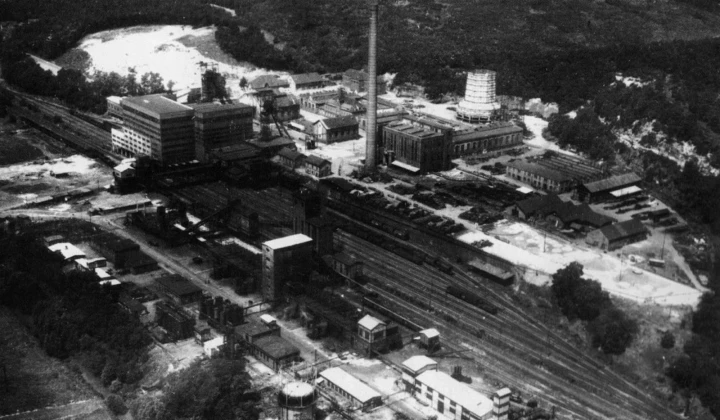
In 1899, they dug the first shaft. It was called Rosselschacht. Later it was called Gustavschacht 1. This was the start of Velsen mine. Over many years, a big mine grew here. It changed the town and the people who lived there.
At its best, the mine had:
2 main shafts called Gustav I and Gustav II
a training mine (now an adventure mine)
a coal cleaning plant
engine houses with steam engines
an office building, washhouse and lamp room
a coffee kitchen
old horse stables
an electrical switch house
a coke plant
a mine train station
homes for miners
a passenger station
Some buildings are not here anymore. The miner homes are gone. The passenger station is gone. The Gustav 1 shaft frame is gone. The coke plant does not work. The boiler house and cooling tower are gone. A waste plant called AVA Velsen is there now.
Some buildings are still standing. Some have new uses. Some are old and empty. The site shows old and new together.
To the west is Rosselaue. This is a nature area made by mining. To the east is Petite-Rosselle in France. It has another old mine called St. Charles mine.
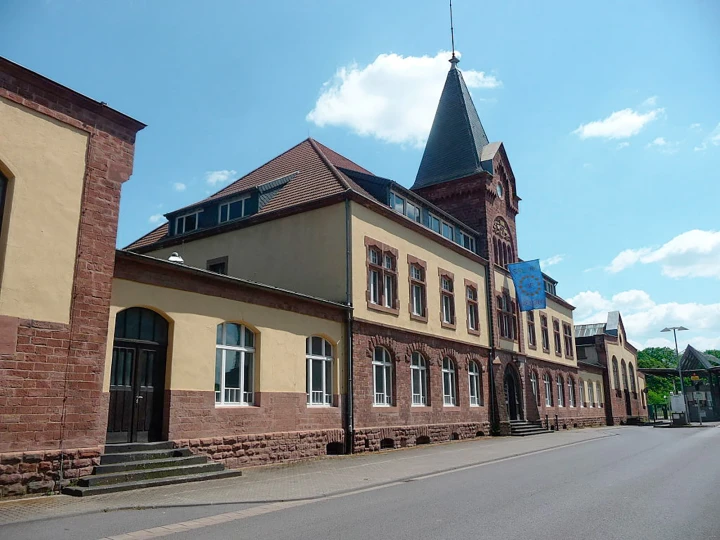
Today the mine has old Prussian buildings. It has buildings from the 1930s like the switch house. It has new buildings like the adventure mine and AVA. Some buildings are closed. Some are used for new things. Some still work. The old coffee kitchen is at the front gate.
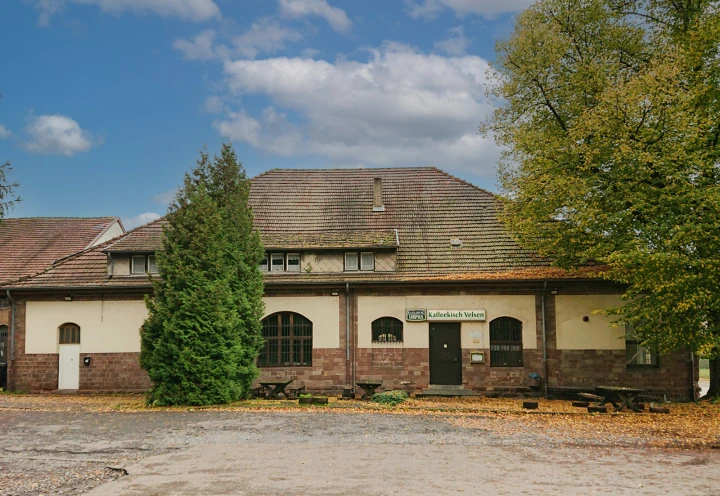
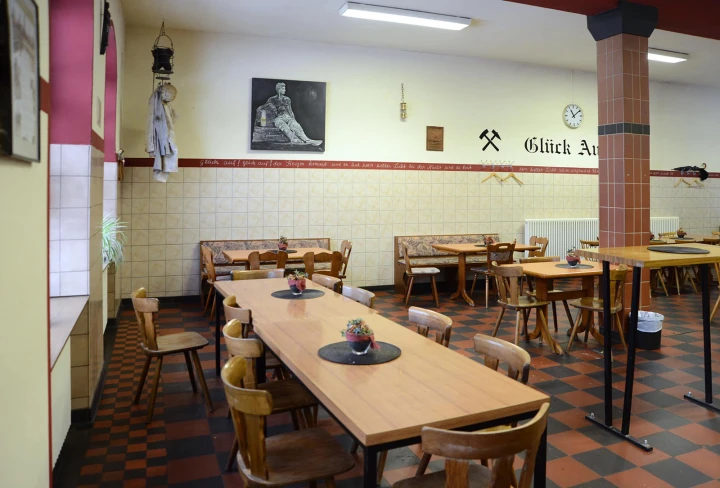
All coal mines had a coffee kitchen. Miners could buy coffee and food here. They could buy a miner's meal with sausage, bread and mustard. Beer was also sold. Everything was cheap.
The old gate house has a special roof. It was built in 1907 when Prussia owned the mines. Old horse stables are next to it. The coffee kitchen has been in this gate house for over 60 years.
The coffee kitchen in Velsen was the last one in Saarland. It worked the same way since the 1960s. Elke Orth and her team welcomed guests. Many workers used it for a break. Garbage truck drivers came here every day before going to the AVA waste plant.
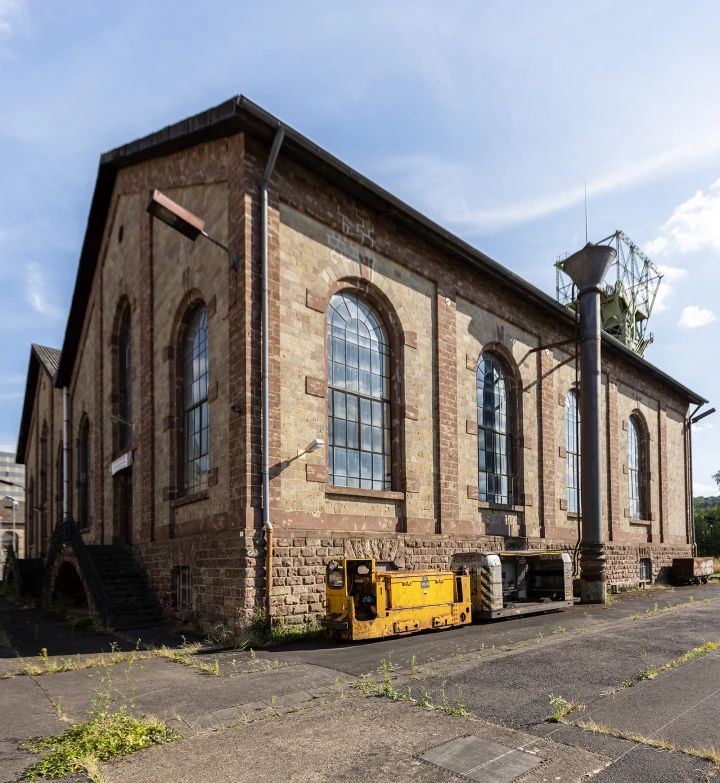
Gustav shaft II had 2 separate rope ways. So the engine house was a double building. The Gustav II north steam engine is from 1916. It is in very good condition. The south engine was taken apart.
This steam engine is the oldest one left in Saar mining. A company called Dingler made it in Zweibrücken. It worked from 1916 until the mine closed in 2005. In 1936, they changed how it worked. At the end, it used compressed air instead of steam. The boiler house was gone. Using compressed air was cheaper than buying a new electric machine.
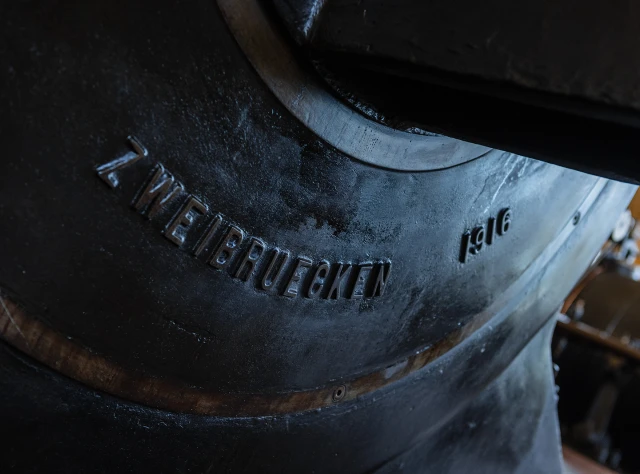
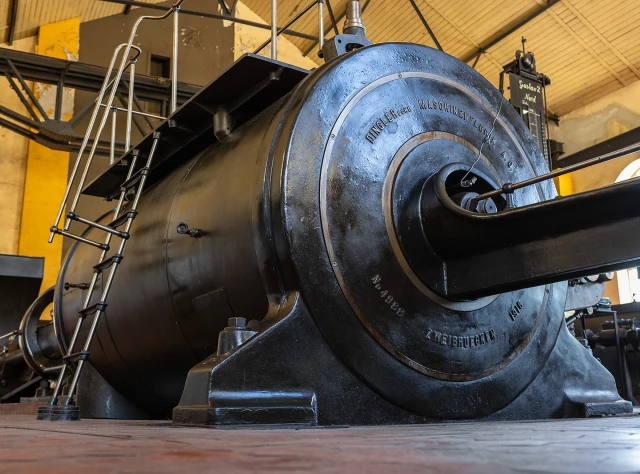
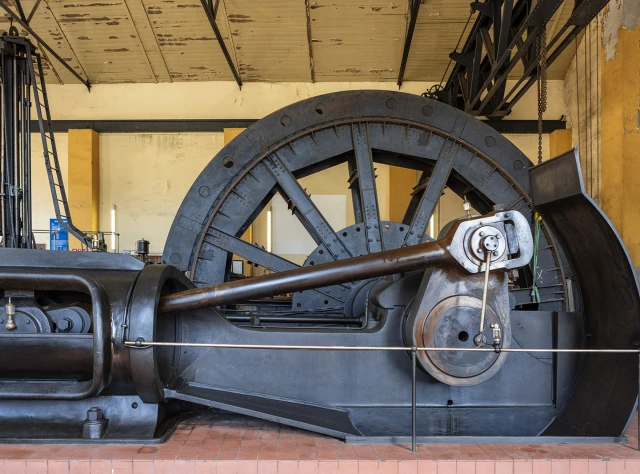
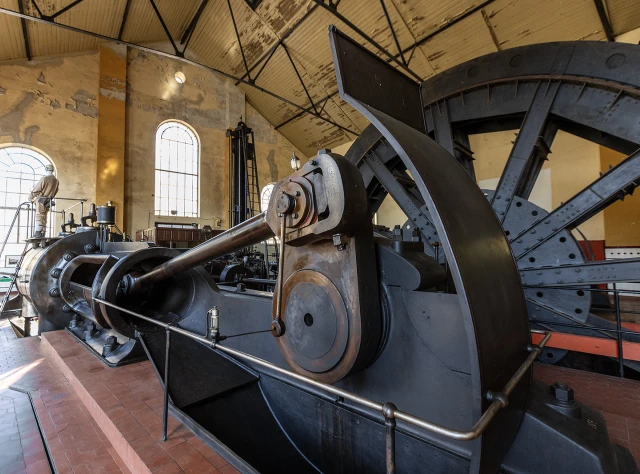
For many years, volunteers from Berg- und Hüttenleute Warndt e.V. looked after this old steam machine. They did great work. Since 2025, Erlebnisbergwerk Velsen e.V. takes care of it. Now visitors can see this special machine up close.
Come and see this amazing piece of Saarland mining. You can visit the adventure mine too.
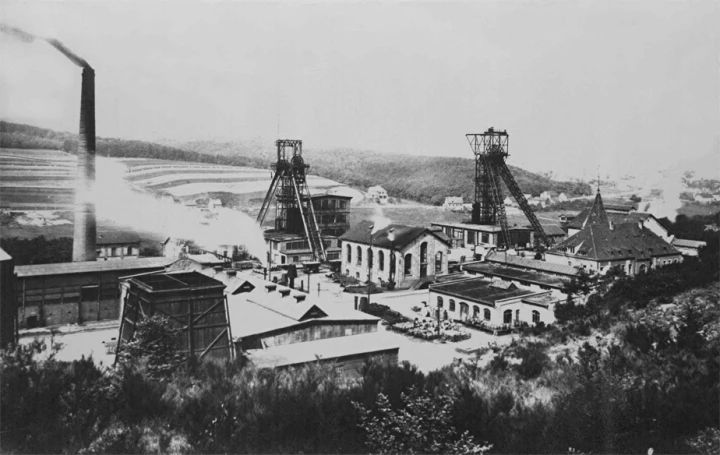
There are 2 of them. Gustav shaft I and Gustav shaft II. The story starts in Geislautern. There was an old mine on Rotweg. Now a school stands there. By the end of the 1800s, the coal was running out. They drilled and found coal in the Rosseltal valley.
They dug a test shaft near Kleinrosseln. It became Rosselschacht in 1899. This started Velsen mine. First it had a wooden frame. In 1906, they built an iron frame. There were 2 centers with 2 machines at right angles. In 1907, they named it Gustav shaft after Chief Mining Captain Gustav von Velsen. It became Gustav shaft I. In the 1920s, they dug it deeper to 843 meters. In 1958, they changed it to skip hoisting. A big vessel held coal instead of small wagons. This was faster. They filled in the shaft in 1978. The frame came down soon after.
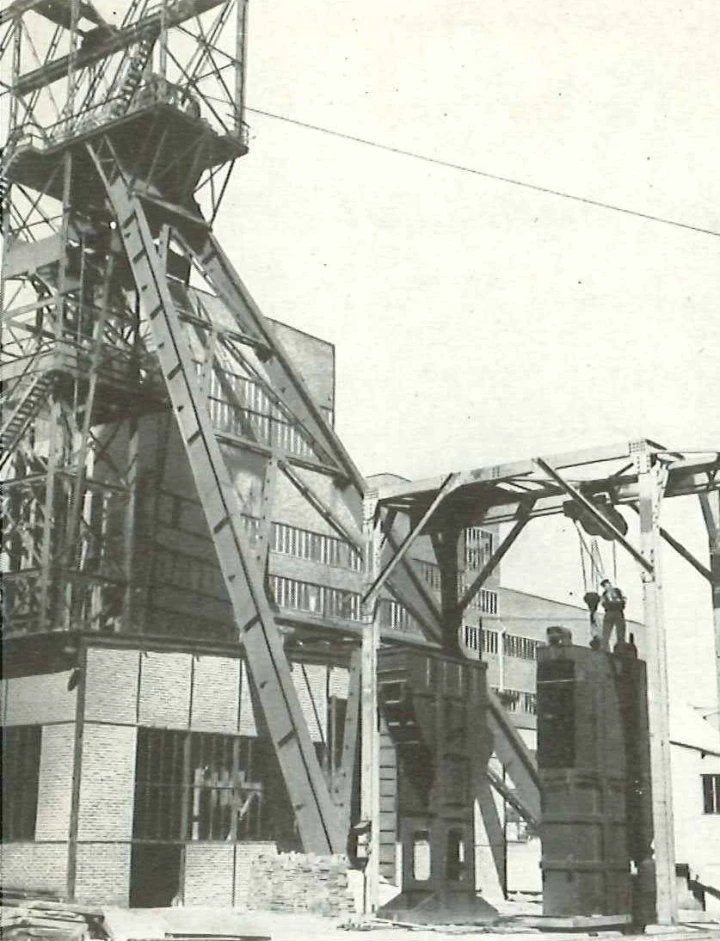
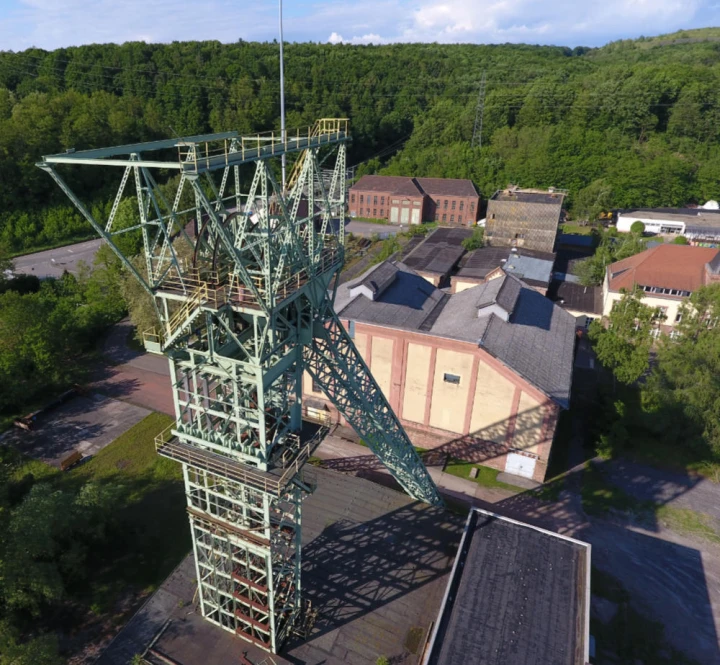
They planned 2 shafts from the start. In 1913, they started digging the Anna shaft. It was named after Gustav von Velsen's wife. From 1920, it was called Gustav shaft II. It had 2 big towers and 2 steam engines. The iron frame was done in 1917. It worked without stopping. First for coal mining until 1974. Then for the Warndt mine until 2005. Many adventure mine guides used this shaft every day.
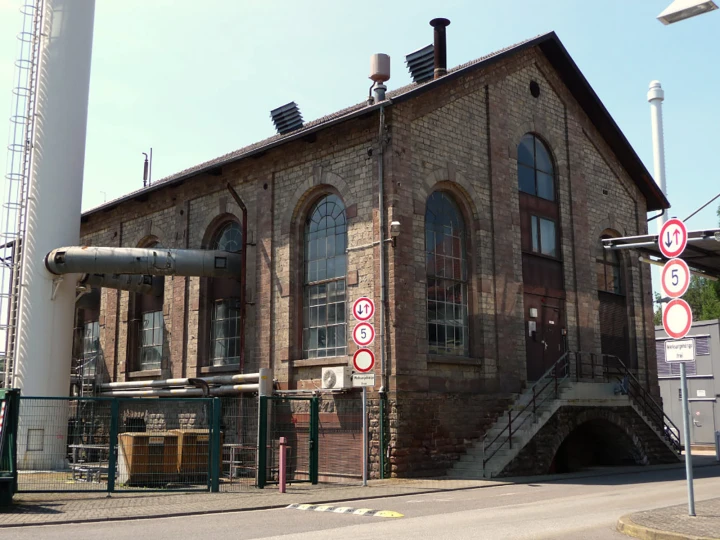
The engine house of Gustav I shaft (Rosselschacht) is gone. This picture is from around 1915.
The Gustav II shaft hall and the electric room next to it are still here.
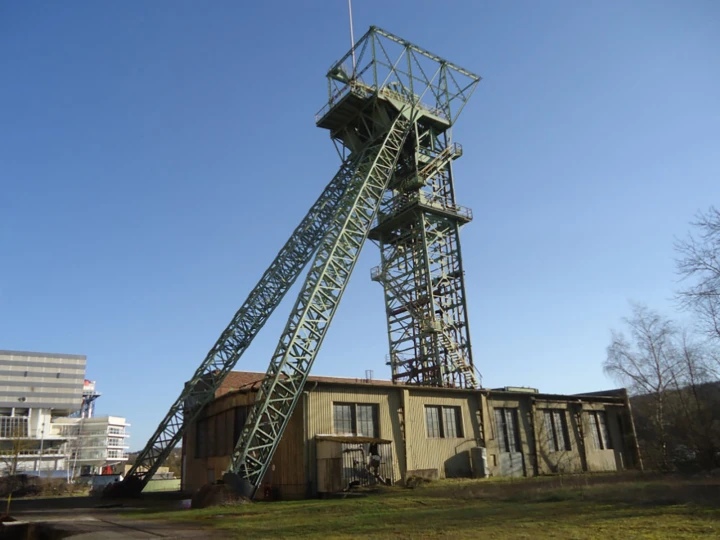
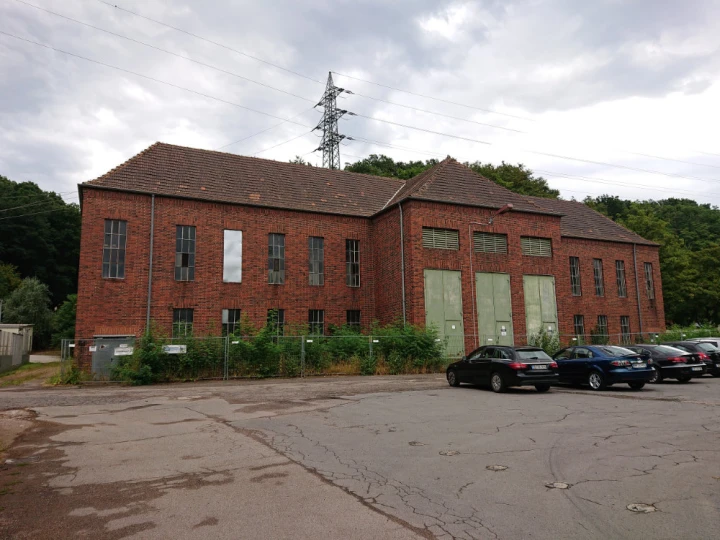
The electrical control center from the 1930s.
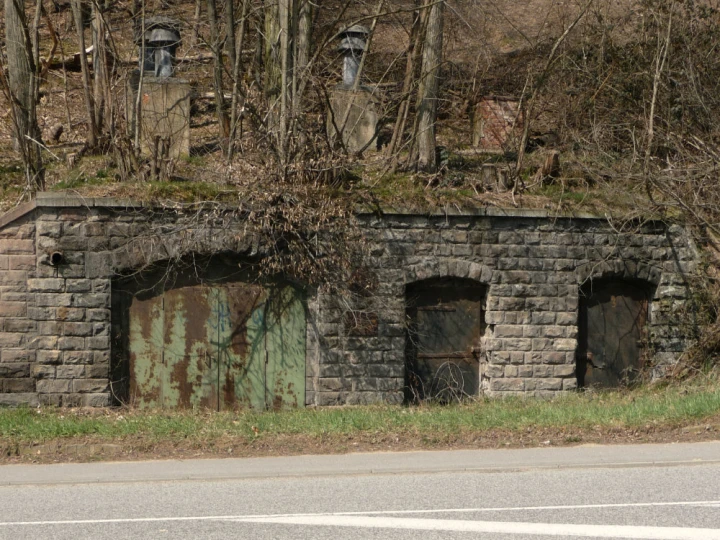
Oil cellar (picture) and explosives cellar of Velsen mine.
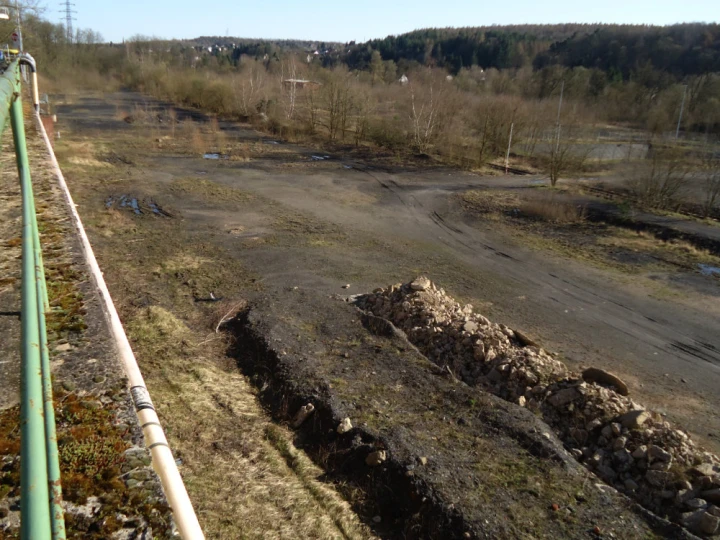
The mine station was on the left of the railroad. The coke plant was on the right.